The City
Municipality of Nea Filadelfia–Nea Chalkidona
From the rural town of Podoniftis to the 20th-century refugee city—a brief historical overview.
Before the Refugee Influx (1920–1927)
Before it was given its current name, Nea Filadelfia, together with Nea Chalkidona, formed the Podoniftis area. According to Biris (1971), the place name Podoniftis refers to the area through which the stream of the same name flows between Anakasa and Alisida.
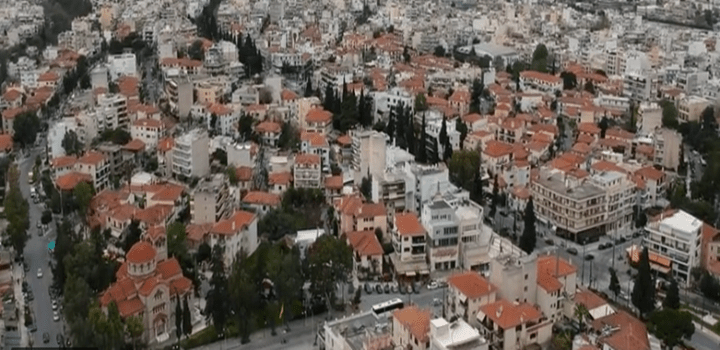
The area of approximately 4 square kilometers that the municipality covers today was once a small plain with crops, olive groves, and vineyards, with a handful of residents scattered among mud-brick farmhouses.
Population Trends in Nea Filadelfia
| Timeline | Population |
|---|
| 1920 | 110 |
| 1928 | 6,337 |
| 1934 | 6,337 |
| 1940 | 8,871 |
| 1951 | 10,187 |
| 1961 | 15,564 |
| 1971 | 19,639 |
| 1981 | 25,320 |
| 1991 | 25,261 |
| 2001 | 24,234 |
Source: Hellenic Statistical Authority (ELSTAT), own analysis.
Nea Filadelfeia
On July 17, 1927, the refugee settlement of Nea Filadelfia was first inhabited. In 1932, it was named after the lawyer and former member of parliament P. Diamantopoulos, a refugee from Philadelphia (now Ala Sehir) in Asia Minor. It was recognized as a community in 1934 and as a municipality in 1947.
Nea Chalkidona
The development of Nea Chalkidona differs from that of the refugee settlement of Nea Filadelfia — privately owned homes (single-family homes with gardens) were built first east of Dekeleia Avenue. It was recognized as a community in 1934 and as a municipality in 1982.
Refugee Settlement
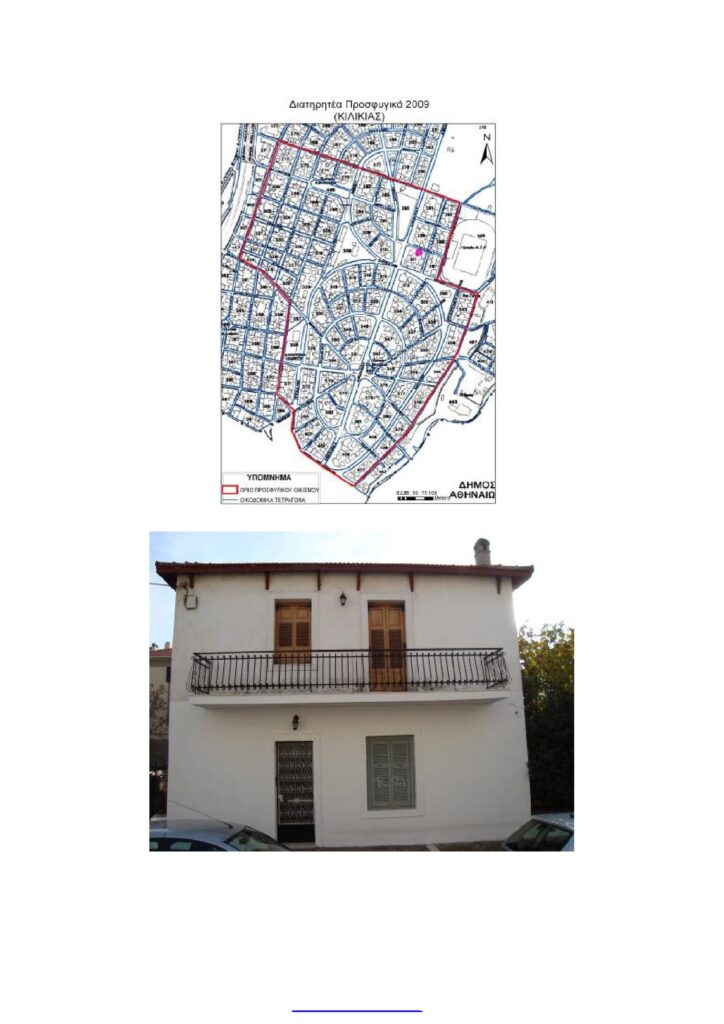
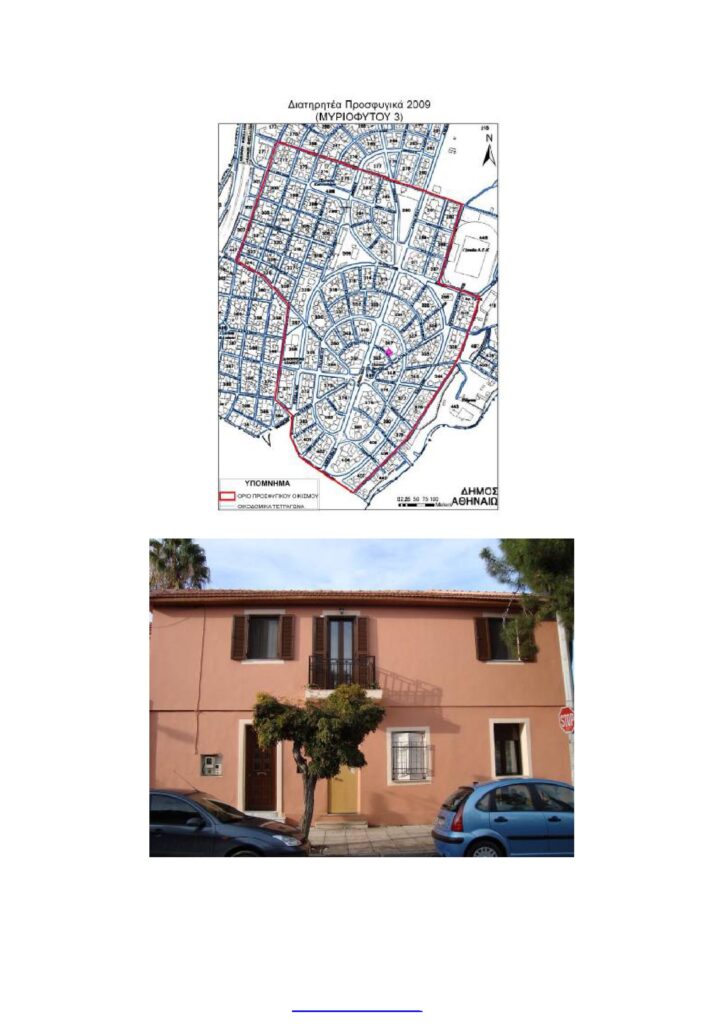
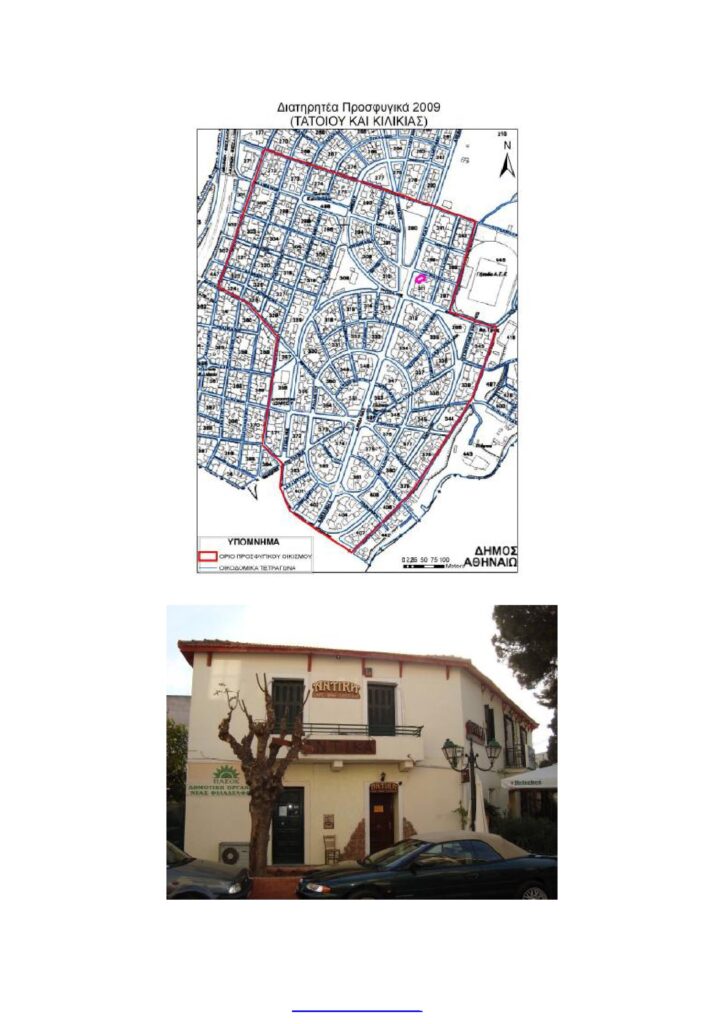
The Ministry of Social Welfare undertook the construction of the Podoniftis settlement on expropriated land comprising 549 plots with 1,720 dwellings, comprising seven different housing types and layouts, with tiled roofs, small balconies, and gardens.
In 2011, the two municipalities merged as part of the “Kallikrates” program. Today, the population is estimated at 35,556 residents.